The phrase “order of chivalry” sounds like it belongs entirely to a castle: robes, banners, a king, and a secret rulebook. Some orders do preserve ceremonial traditions that reach back centuries. But an order of chivalry is not a fantasy guild, not a generic title for anyone who acts honourably, and not a product a person can buy online.
Orders of chivalry are institutions of honour. They have histories, rules, offices, insignia, and forms of recognition that depend on the country and the particular order. In the United Kingdom, some modern honours and orders retain historic names while operating as current public institutions.
This page is about the institutional meaning of the phrase today. It does not try to explain every aspect of medieval knighthood; see Knighthood for that comparison. It also does not turn modern honours into a personal character test. For everyday conduct, see Modern Chivalry.
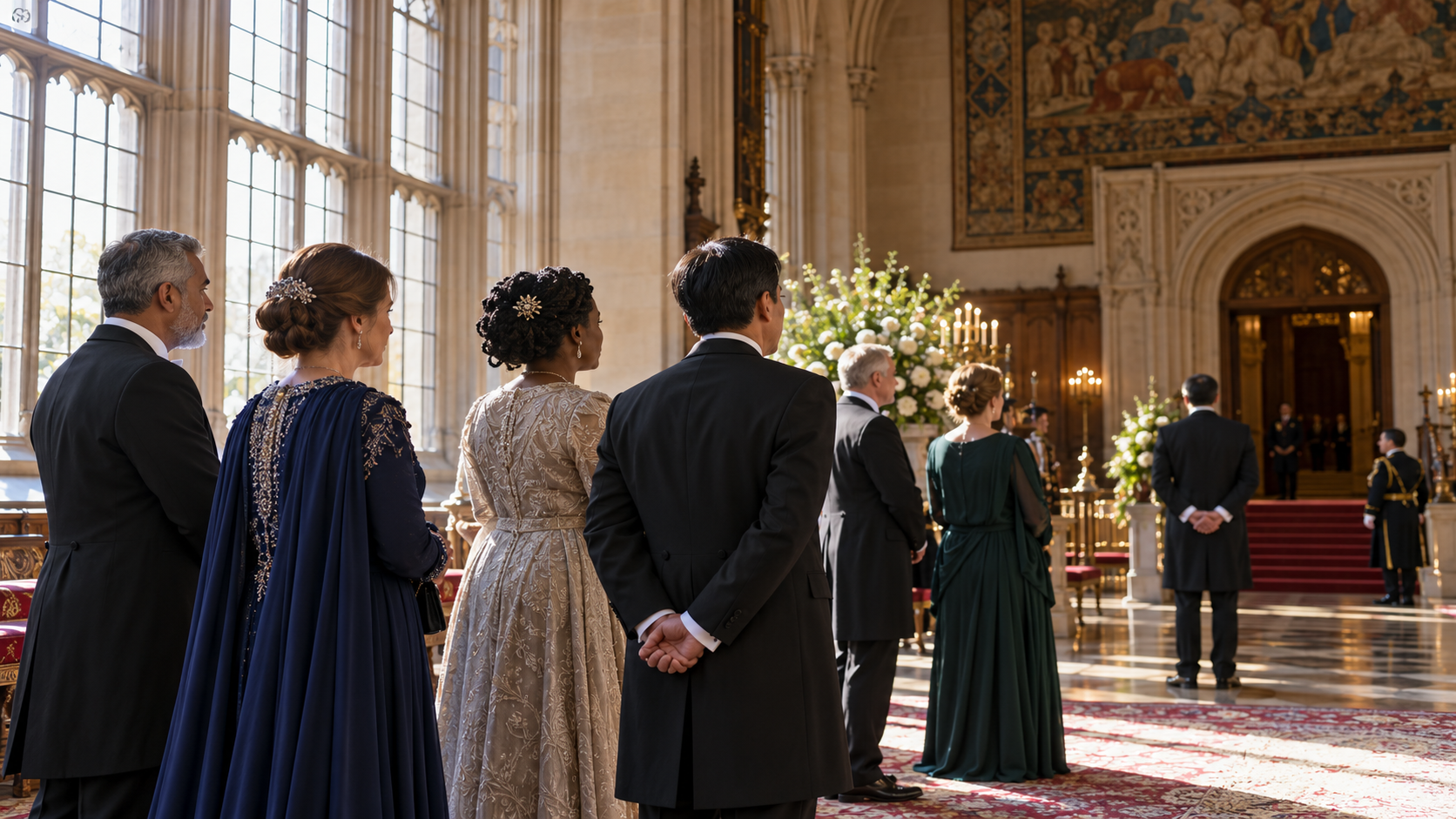
What are orders of chivalry?
An order of chivalry is an organised honour institution, historically associated with monarchies, service, membership, or particular ideals. Some began in medieval or early modern contexts; others are newer. Their membership, ranks, selection rules, ceremonies, and legal meaning depend on the specific order.
The word “chivalry” can create confusion because it also describes a historical ideal linked with knights and a modern way of talking about considerate conduct. An order is neither of those things by itself. It is an institution. A person may receive an honour through an order, but that does not make them a medieval knight or prove they behave perfectly in private life.
The Order of the Garter today
The Order of the Garter is Britain’s oldest and most senior order of chivalry. The Royal Family’s official information says it was founded in 1348, is associated with Edward III, and is celebrated with a procession and service at Windsor. It also states that the order includes the Sovereign, senior members of the Royal Family, and twenty-four knights selected in recognition of their work. The Royal Family’s Order of the Garter page is the source to consult for current institutional details, because appointments and event information can change.
The historical connection to Arthurian storytelling is real but should be stated precisely. The Royal Family describes Edward III as having been inspired by Arthurian chivalry and the Knights of the Round Table. That does not mean the Garter is a continuation of an actual Arthurian council. It is a medieval-founded institution that used a powerful literary and cultural idea.
Modern orders and modern honours
The United Kingdom’s honours system includes different orders and awards. The GOV.UK guide to types of honours explains the current system, including the difference between awards and titles. That official source matters because online lists often mix current rules, historic terminology, and false promises.
Modern recognition can acknowledge service in public life, charity, science, arts, community work, or other fields. It is not a reward that somebody can guarantee for a fee. If someone says they can sell a British title or ensure admission to an order, treat that claim with caution.
The official national honours nomination guidance lets members of the public make a nomination supported by evidence. It does not allow a nominator to choose a particular honour or promise success. That difference is important: nominating someone is a way to describe their contribution, not a purchase or an application for a desired label.
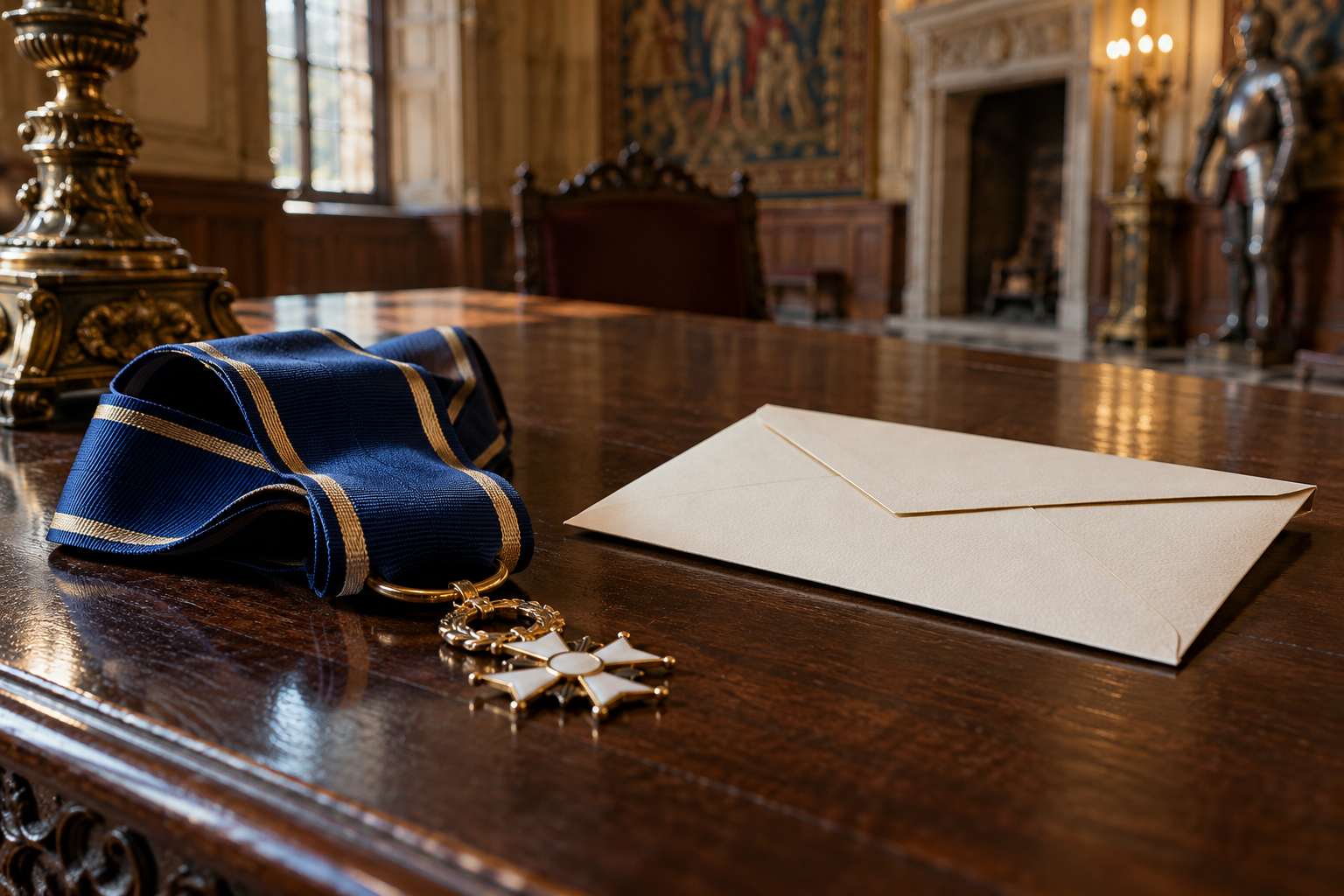
Orders of chivalry versus knighthood
The terms overlap, but they are not synonyms.
| Term | What it means here | | --- | --- | | Medieval knighthood | A changing military and social status in historical Europe. | | Modern knighthood | A present-day honour in a specific national system. | | Order of chivalry | A particular institution with its own membership, history, and rules. | | Chivalry as conduct | A modern ethical conversation about courage, fairness, care, and accountability. |
Keeping these categories separate avoids several common errors. An order can have medieval origins without recreating medieval society. A person can practise respect without belonging to any order. A title can be formally awarded without proving every decision a person makes is noble.
Can anyone join an order of chivalry?
There is no single answer. Eligibility and appointment are determined by the particular order and country. Some are closely tied to a head of state or a national honours system. Others may be religious, charitable, military, or historical organisations with their own governance. A name that sounds historic is not enough to establish legitimacy.
Before supporting, applying to, or displaying an affiliation with any organisation that calls itself an order, check:
- Is it recognised by a relevant public authority or clearly governed as a private association?
- Does it describe its charitable, religious, or membership status accurately?
- Does it make claims about titles, honours, or ancestry that can be independently verified?
- Does it pressure people to pay for status or use misleading language about official recognition?
- Does it clearly explain what membership actually involves?
These questions are not meant to dismiss every private historical or charitable group. They are a way to separate transparent organisations from marketing that borrows prestige without evidence.
Women in orders of chivalry
Modern British honours and orders include women. The Royal Family’s Garter page explicitly notes that the order’s companions are now male and female, unlike an earlier aristocratic limitation. That is one reason a present-day explanation should not copy a medieval male-only mental picture into every current institution.
The point is broader than one order. Whenever an article uses an old word such as knight, dame, companion, or chivalry, it should state whether it is describing historical practice, current rules, or a literary convention. Vague language creates avoidable confusion.
What orders can and cannot represent
An order can preserve ceremony, honour service, connect people to a public tradition, and create records of recognition. It cannot turn a person into a moral archetype. It cannot make criticism impossible. It cannot replace the everyday work of responsibility.
That distinction matters because the word “chivalrous” is sometimes used as praise for someone who is generous or brave. A formal honour and a daily habit are different categories. The Five Pillars of Chivalry page is about modern reflection on conduct; it is not an honours system and does not award titles.
Common mistakes
- Calling every historic-looking private group an official order.
- Treating a title, decoration, or membership badge as proof of personal virtue.
- Assuming modern orders reproduce medieval military roles.
- Believing a specific honour can be bought or guaranteed through a nomination service.
- Using current membership lists or ceremony details without checking the official institution first.
Frequently asked questions
Are orders of chivalry still active?
Some are active institutions today, but their status and function depend on the country and the specific order. Always use the order’s official source for current information.
Is the Order of the Garter still active?
Yes. The Royal Family publishes current information about its history, companions, and Garter Day traditions. Consult its official page for the latest details.
Can I nominate someone for a knighthood?
In the UK, members of the public can nominate someone for a national honour through the official process. You cannot nominate someone for a specific honour or guarantee the outcome.
Are all organisations using “order of chivalry” official?
No. The name alone proves nothing. Look for transparent governance, accurate recognition claims, and independent verification.
Respect the institution, not the fantasy
Orders of chivalry are most interesting when we see them clearly: historical institutions that have changed, present-day systems with specific rules, and powerful symbols that can be misunderstood when detached from evidence. The responsible approach is not to chase the romance of a title. It is to check the institution, understand what recognition means, and remember that honour is still tested in ordinary actions.
For a non-title-based reflection on those actions, take the Chivalry Test. It is a free conversation starter, not an official assessment or honours nomination.
Sources and note
- The Royal Family — The Order of the Garter
- GOV.UK — Types of honours and awards
- GOV.UK — Nominate someone for a UK national honour
Current institutional details can change; readers should consult the linked official pages. The explanatory examples are original editorial content.
Reflect on your choices through practical scenarios.
Take the test